
Guide to Building a Miniature Railway in RollerCoaster Tycoon 1 & 2
Guide to Building a Miniature Railway in RollerCoaster Tycoon 1 & 2.
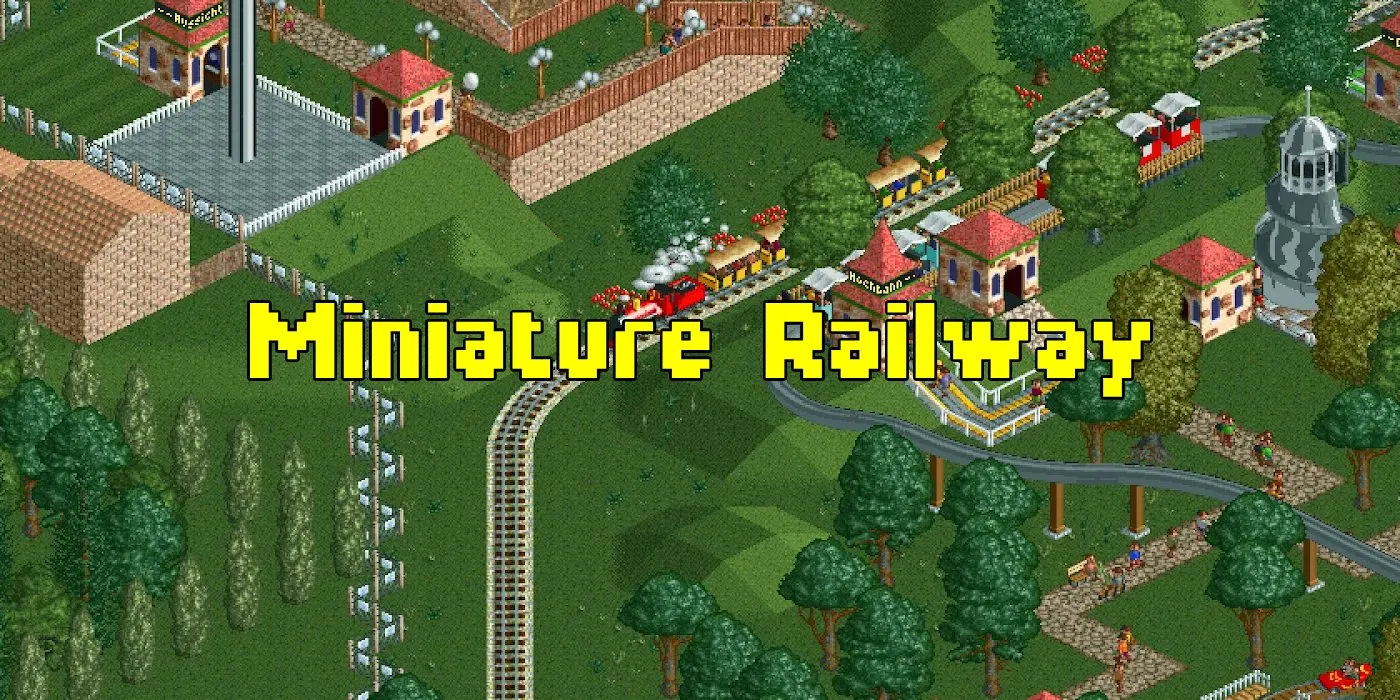
The Miniature Railway is a Transport Ride in RollerCoaster Tycoon 1 and 2, available in RCT1's base game and all future installments.
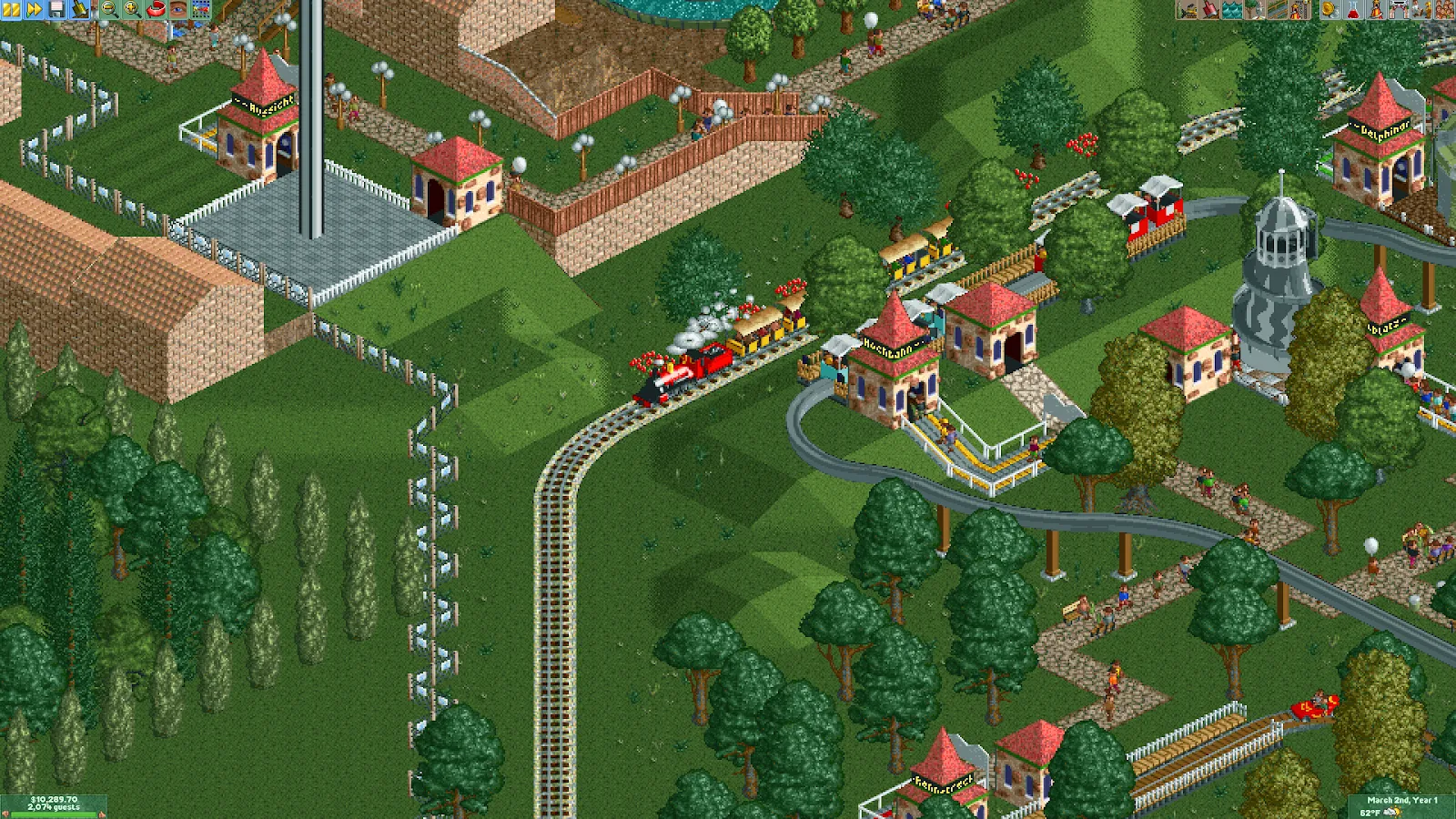
(Heide-Park Express in Heide-Park)
“Passengers ride in miniature trains along a narrow-gauge railroad track.” - In-game description
Transport Ride General Information
(This section is present on all Transport Ride guides. It is put inside a spoiler to avoid repetition.)
Transport Rides are rides that exist to move guests around the park quickly and without tiring them out. They are generally quite cheap to build per track piece, although because Transport Rides are designed to be quite long to allow guests to access faraway areas of the park, their total cost to build can sneak up on you. If you wish to, Transport Rides can also be built as one station, functioning as a Gentle Ride of sorts, although sacrificing the ability to disperse guests around the park is also cutting out potential profit since it will only be accessible from one area of the park.
Despite their function, guests do not view Transport Rides any differently than other ride types, meaning that guests who tend to gravitate towards more intense rides will generally refuse to ride them. Guest pathfinding also does not take Transport Rides into account and they will not use them to get to a specific place in the park quicker or without expending as much energy. Guests will ride Transport Rides, but they will not do so with the intent of getting to a specific area of the park, and whenever they get on one, they will always exit the ride on the very next station (if it has an exit building).
Transport Rides also have a unique ability in that they can make any guest ride them if they are free. If a Transport Ride is free, then a guest will always be willing to get on the ride even if they are extremely unhappy and desperate to go home. This function presumably exists to emulate the aforementioned pathfinding element of using them to get to the park entrance quicker, although it can also have the opposite effect and keep them in your park for longer, which tends to take a cut of your park rating. This downside can be eliminated if the only station on the Transport Ride with an exit building is one very close to your park entrance. This can be used as a means of helping lost guests find the park exit, although this will also disperse every other guest who gets on the ride to the exit as well, meaning that they won’t be in your other park areas. The other downside of this is that you’re obviously not making any money with a free ride, so this should only be considered if you’re making enough money to comfortably offset the ride’s operating cost and make an extra profit on top of that. If you're playing in a park with unlimited money (like Arid Heights or Lucky Lake), all Transport Rides will count as "free" and this functionality will be enabled.
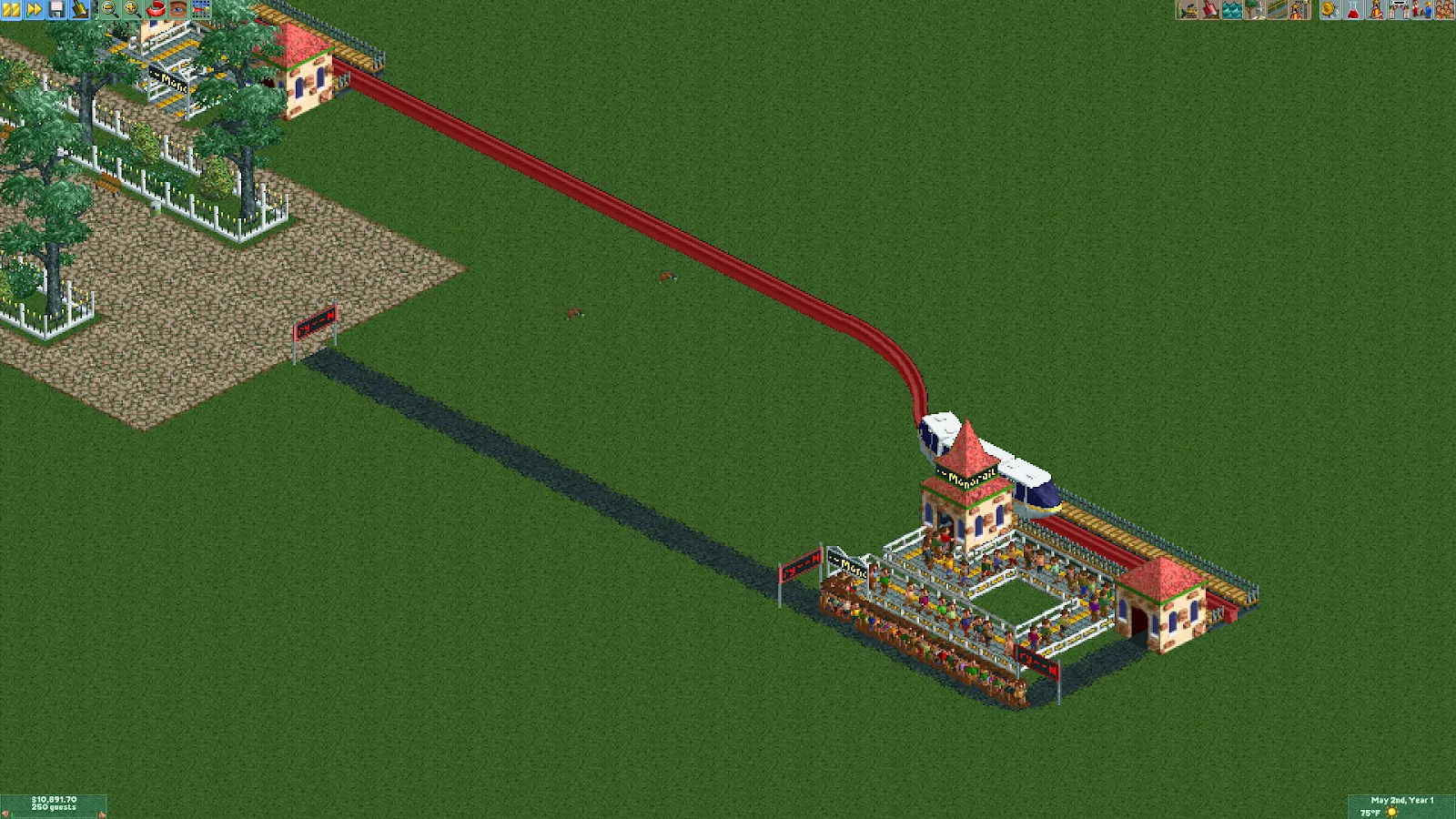
One implication of this feature is that if a part of your park is isolated from the rest and only accessible via a free Transport Ride, then the guests will eventually find their way back to the main area of the park by taking the Transport Ride back again. This is still a terrible idea as this leaves guests prone to becoming unhappy because they will attempt to navigate to a ride that’s in the main area of the park and won’t be able to detect that they need to take the Transport Ride back.
In spite of their noticeable downsides, Transport Rides can be quite good and building one in a large park is sometimes very useful as they have many advantages. Even though the guests won’t intentionally use it for this purpose, it will still help move guests around your park, and due to their very high ride capacity, can help fight overcrowding and make more money than you might expect since a larger number of guests can board them all at one time. Most Transport Ride vehicles are also sheltered meaning that they will provide a reliable source of ridership during a rainstorm.
In RollerCoaster Tycoon 1, all Transport Rides count as Gentle Rides for the purposes of Research. In future games, Transport Rides are their own Research option.
Transport Rides have low base Excitement Ratings, and are never intense or nauseating either. All of them having a base Intensity and Nausea of 0.50 or lower, and modifiers to those stats are not nearly as prominent as they are on other tracked rides. The Monorail and Miniature Railway in fact start with 0.00 for both of these stats and the only way that either of those two rides can increase this is through their max speed, average speed, and underground sections.
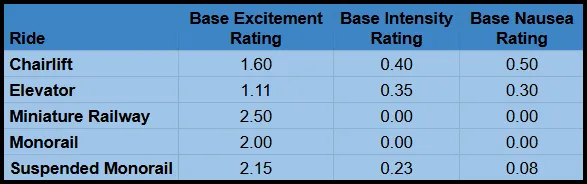
As long as your Transport Rides don’t fail any stat requirements, it is completely impossible for them to have stats lower than these. The Monorail for instance will never have an Excitement Rating of lower than 2.00 if you meet both stat requirements. Their low Intensity Rating means that they’re really good for guests who prefer less intense rides (doubly so for parks like Gentle Glen, which applies this intensity preference all around), although this also means that thrill-seeking guests will tend to complain that the ride isn’t intense enough and not ride them (again, guests do not view Transport Rides differently than normal rides). Their Nausea Rating is virtually nonexistent, so guests won’t become sick from being on the ride, although they might still throw up around the ride due to being sick from other rides in close proximity to the Transport Ride.
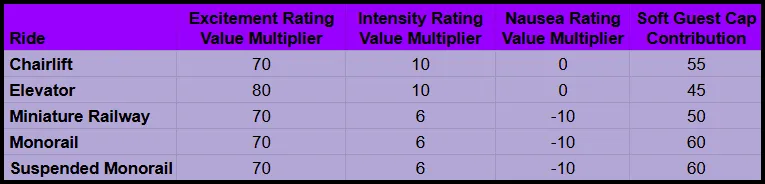
The amount of Park Value that Transport Rides contribute to your park is roughly average for non-coaster tracked rides. The Monorails and Miniature Railway all share a very interesting distinction of being the only rides in the game that feature a negative number in their Park Value contribution multipliers. In the case of all three, their Nausea Rating has a contribution multiplier of -10. This means that the Nausea Rating of these rides will actually detract from your Park Value, although since their Nausea Ratings are always very low, this has a very minimal effect overall, and the other two ratings will more than offset the Nausea penalty. All Transport Rides have a similarly average contribution to the soft guest cap, though in the case of the Miniature Railway and both Monorails, this amount will be low in relation to the amount of money you’ll most likely need to spend to build the ride.
Pre-Built Designs
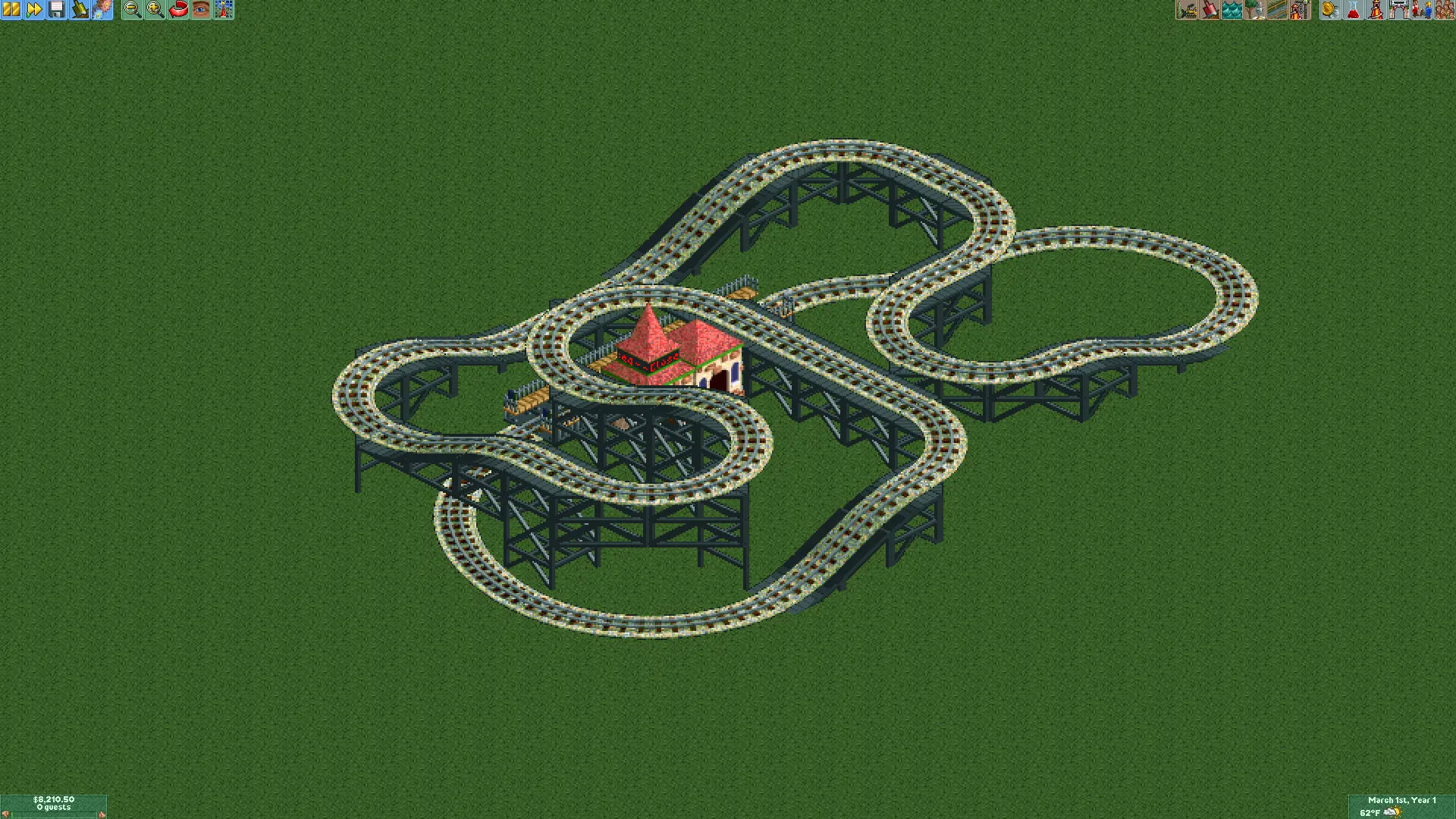
Building Information
- Base Cost: $1,771.00 (RCT1)/$1,789.50 (OpenRCT2)
Stats
- Excitement Rating: 3.31
- Intensity Rating: 0.28
- Nausea Rating: 0.03
Ride Length
- Distance: 1092ft (333m)
- Time: 1 minute, 13 seconds (with empty trains)
Other Information
- Default Vehicle: RCT1 Steam Trains*
*RCT1 Steam Trains are identical in basic performance to RCT2 Steam Trains, but technically count as separate vehicles as they use different vehicle files that aren't always accessible at the same time as each other
Technical Information
Stats
- Base Excitement Rating: 2.50
- Base Intensity Rating: 0.00
- Base Nausea Rating: 0.00
Stat Requirements
- Length of at least 656ft (200m)
- Less than 50% of the track underground
The Length requirement will divide all three of the ride's stats by 2 if it isn't met, whereas the underground requirement will divide only the Excitement Rating by 4.
Stat Contribution Values
- Excitement Rating Value Multiplier: 70
- Intensity Rating Value Multiplier: 6
- Nausea Rating Value Multiplier: - 10
- Soft Guest Cap Contribution: 50
Building Information
- Cost of Station Piece on Fully Flat Ground: $26.00 (Vanilla RCT2)/$26.20 (OpenRCT2)
- Cost of Straight Track Piece on Fully Flat Ground: $17.00 (Vanilla RCT2)/$17.50 (OpenRCT2)
- Cost of Supports (per unit per tile): $3.00
- Support Height Limit (ft/m/height units): 25ft/7.5m/+5
Building a Miniature Railway
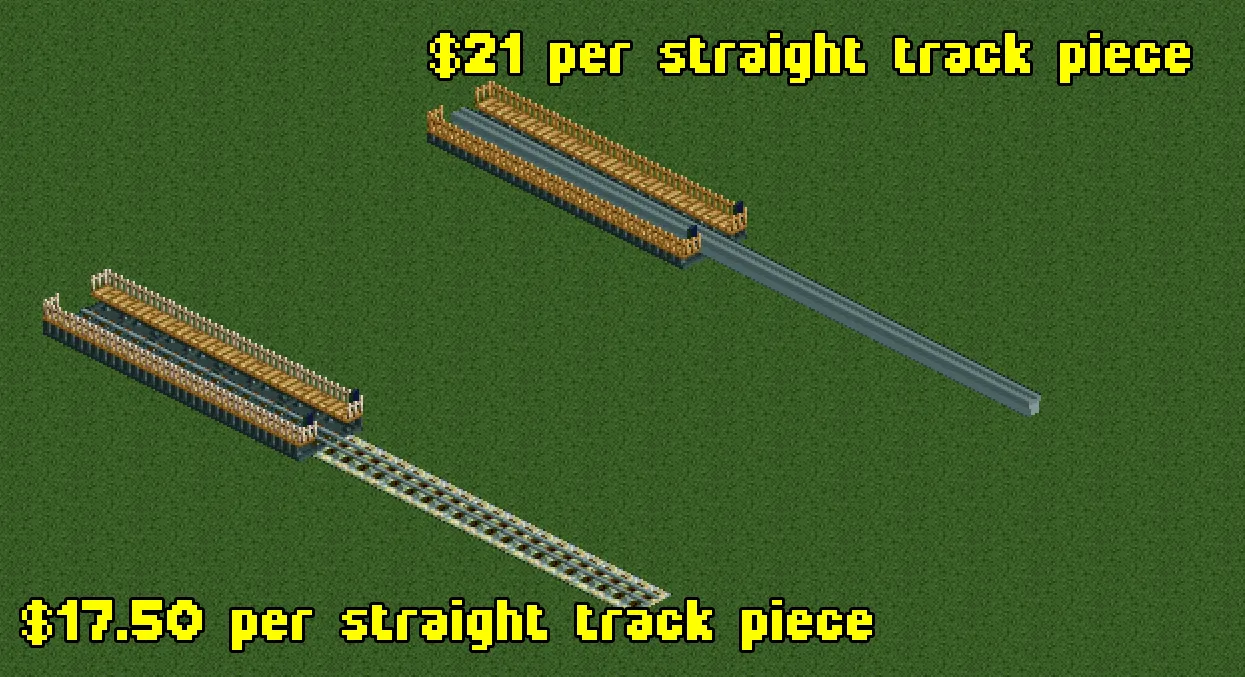
The Miniature Railway is the first of the more “conventional” Transport Rides, built as a loop of track close to the ground level. The Miniature Railway has the cheapest track piece on ground level of all Transport Rides (not counting the Elevator). If we go to the ground level, we can see that the Miniature Railway has a straight track piece price of $17.50 in OpenRCT2 (and it's even cheaper in vanilla RCT2 at $17 with no decimal) compared to the Monorail's price of $21 per straight track piece.
This advantage however is also somewhat lost by the fact that it also has the highest support cost of every Transport Ride in the game at $3.00 per unit per tile of supports, whereas the Monorail's support cost is $2.00 per unit per tile. If we go the Miniature Railway's support limit of five units of height off the ground, it now costs $32.50 as opposed to the Monorail's $33.00. As such, if you want to build a Miniature Railway, you should stick to the ground as much as possible or else you might as well have built a Monorail instead.
That said, you also don't have much of a choice in the matter because the Miniature Railway's support limit of five units of height off the ground is the second-lowest in the game of any ride (only beating the Circus and the Monorail Cycles, which both have a support limit of four units of height off the ground). As a result of this, you'll almost always be forced to build the Miniature Railway around your existing rides instead of over them like the other Transport Rides generally can. If you plan on building a Miniature Railway at some point in your park, and neither the Monorail or Suspended Monorail can be researched, you'll want to plan a rough layout ahead of time as to where you want the railway to go and then not build anything there.
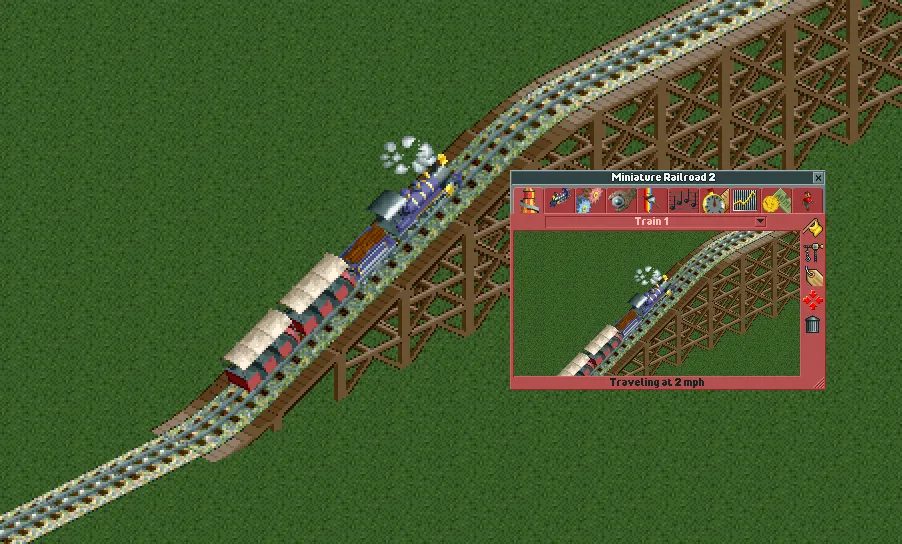
The Miniature Railway also features another downside, that it shares with the Monorail and Suspended Monorail, which is the fact that it slows down to a crawl if it needs to go uphill even a tiny amount. Because of its low support limit and slow speed up hills, the Miniature Railway is not a good idea for parks that feature a lot of steep terrain.
Path Crossings
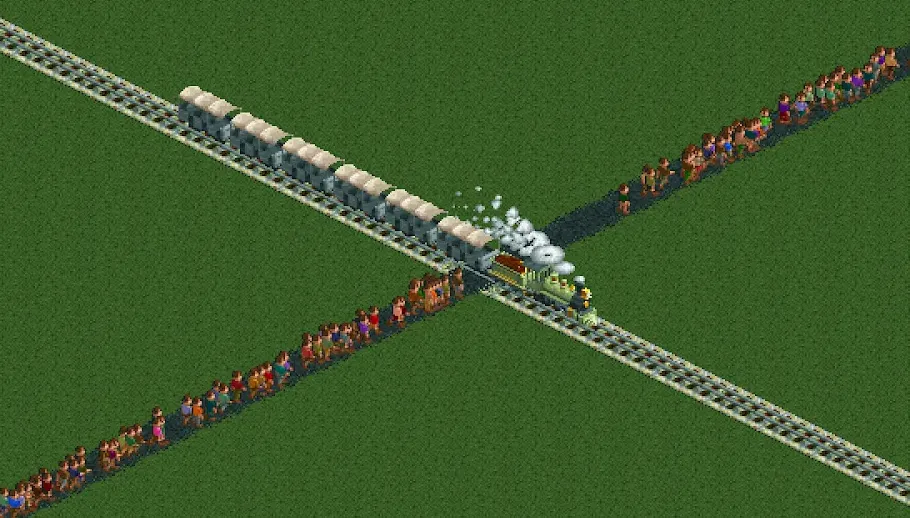
OpenRCT2 adds a unique feature to the Miniature Railway, which is the ability to build straight railroad track pieces on top of path tiles if they intersect with each other at the same height unit. This will only work if both the train track and the path tile are:
- At the same height unit as each other.
- On fully flat ground (and not underground).
- Straight track/path pieces that are not inclined.
Additionally, if you build a path piece with path ornamentation on it, except signs, that path ornamentation will be removed from the path. You won't be refunded for it (as is normally the case with path ornamentation), but the game also won't put the ornamentation back if you later delete the track piece over the path that originally contained it.
On the plus side, this feature is not limited to a single intersecting tile at a time. In fact, you can build the track on top of the path in the same direction as the path itself for as many tiles as you like. This leads to some very weird behavior if you build it this way though, so this is generally not recommended.
When a guest approaches a tile with a train track on it, the game will check if a running train is about to reach that tile or already has reached it. If this is true, the guest will stop in place until the train passes by, and then they will continue walking. The script that causes the guest to stop does not check if they're already on a tile without track pieces, meaning that if you build them in a certain way, the guest might stop on the train track and then wait for the train to pass, in which case it'll pass right through them. This has no effect on the guests or the ride.
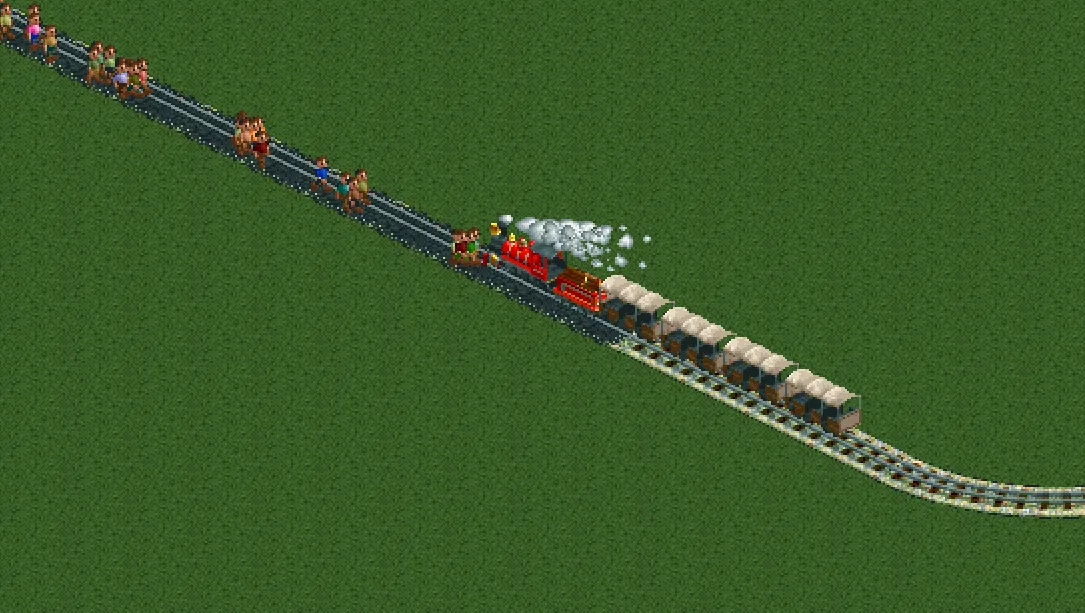
While this is a fun idea that can add some extra life to your park, this feature is not as useful as you might expect and can instead do more harm than good. When guests are waiting for the train to pass by, it's taking them longer to get to a certain destination in the park. If this is a ride, your profits will go down slightly because they won't reach the ride as quickly as they would if the train wasn't there. If this is a stall, you will take a tiny hit to your profit in addition to running the risk of making your guests unhappier because their needs (hunger, thirst, toiler, etc.) aren't being tended to as quickly as they normally would. If they're trying to reach the park exit, they might become unhappy because it's taking too long for them to reach the exit, which means the game might start counting them as "lost", which takes a hit to your park rating. The longer the trains are, the longer they'll need to wait and the worse this problem becomes.
Additionally, this will also sometimes result in a giant group of guests all stacked on top of each other, resulting in guests complaining about the path being overcrowded once they start walking again.
Because the Miniature Railway has such a short support limit though, this feature can make it really useful to help build the ride around your existing rides or path network.
Stats
The Miniature Railway has the highest base stats of any Transport Ride in the game, in addition to also featuring a lot of very solid stat bonus values.
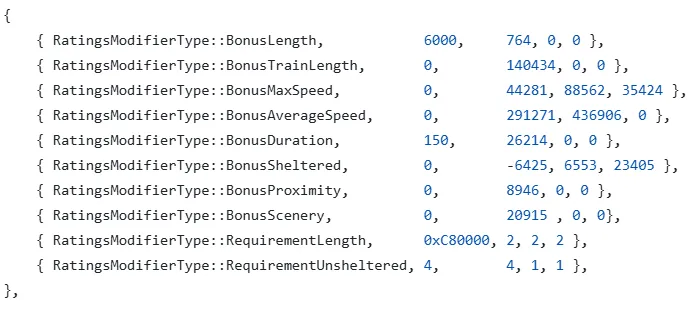
As a result, the Miniature Railway will generally have a pretty decent Excitement Rating if the park is even somewhat dense. The Heide-Park Express, for example, has an Excitement Rating of 4.26. You however should take care not to build it underground because the Miniature Railway is the other of two rides in the game, alongside the Chairlift, to have a negative Excitement bonus value for having underground track. The penalty for underground track is three times gentler than the Chairlift's penalty, but you should still avoid having any underground track if you intend on charging money for your Miniature Railway.
The Miniature Railway, Monorail, and Suspended Monorail, all share a unique distinction of being the only rides in the entire game with a negative number in their ratings multiplier values. In the case of these three rides, all of them have a Nausea Rating value multiplier of -10.

This means that the Nausea Rating of your Miniature Railway would, in theory, detract from its maximum ticket price and your park value. However, because the Nausea Rating for all three of these rides are so always so small, the effect this has is virtually non-existent.
Your choice of vehicle will also affect your stats both directly (through stat bonus modifiers assigned to each vehicle), and indirectly (through each vehicle having different maximum speeds, affecting the time it takes for them to make it through the ride). Let's talk about that actually.
Vehicles
The Miniature Railway has a total of 8 different vehicles, which can all be lumped into one of three categories:
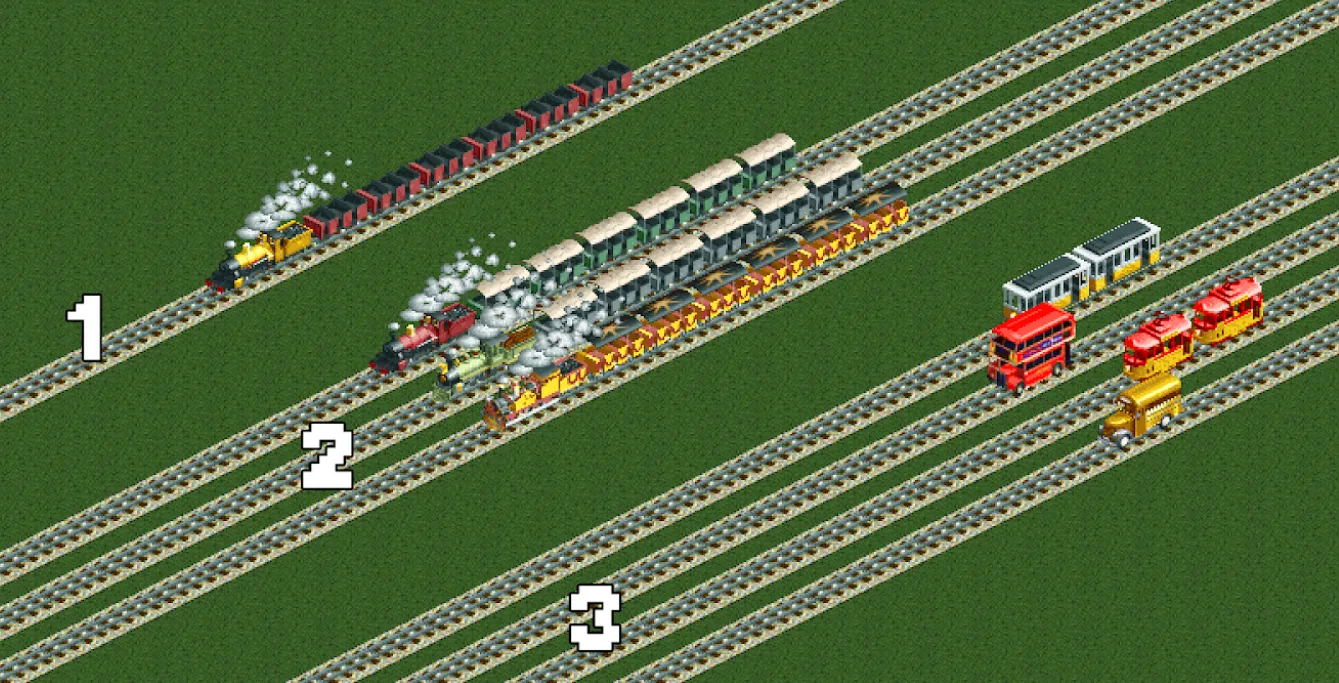
1. Steam Train
2. Steam Train with Covered Cars
3. Trams
The standard Steam Train is the base variation available in the RCT1 base game. RCT2 has its own variation, which is identical in appearance and basic performance, though the RCT2 version gives the ride a 3% Excitement bonus modifier.
The Steam Train with Covered Cars were added with RCT1's Corkscrew Follies DLC, which also has two reskins: The American-Style Steam Trains which were added with RCT1's Loopy Landscapes DLC, and the Maharaja Steam Trains which were added in RCT2's Wacky Worlds DLC.
The Trams contains four variations: The base Trams were added with the RCT2 base game, with the Routemaster Buses and San Francisco Trams added with Wacky Worlds and the School Bus Trams added with Time Twister.
All of the trains, whether they have covered cars or not, have the same performance. They all have a top speed on flat ground of 9mph (14km/h), and have a capacity of 6 guests per car with 6 cars per train for a total of 36 guests per train. The trains with covered cars however are considered to be "sheltered" by the game, whereas the standard trains are not. As a result, guests will ride the ride in the rain if it uses the trains with covered cars, but not if it uses the standard trains. The covered cars provide no meaningful drawback meaning that there's absolutely no reason to ever use the train with uncovered cars over the ones with covered cars if you have it as an option. The RCT2 variant of the train with uncovered cars does offer a 3% Excitement modifier whereas the trains with covered cars do not, but the difference this makes will not be enough to off-set the lack of service the ride will have in a rainstorm (without using cheats anyway).
The Trams are very different from the Trains, and in fact, the different Tram types also have relevant differences in gameplay. All of the Tram vehicles have a slightly higher top speed of 10mph (16km/h), and they all offer rain protection, but they don't all hold the same number of guests. The standard Trams and San Francisco Trams can hold 10 guests per car with 2 cars per train, equaling 20 guests per train. The Routemaster Buses and School Bus Trams on the other hand, can only hold 6 guests per car and cannot run multiple cars per train. If you have the Trams available, you should stick with the standard or San Francisco Trams if you have them available since they will hold more guests and drive at the same speed.*
*The reason the Routemaster Buses and School Bus Trams are ahead of the other two Tram types in the picture above is because the others are running at two cars per train instead of one, which decreases its acceleration. If they were running one car at a time, they would all have the exact same rate of acceleration.
The Trams have another huge advantage over the Trains, which is the fact that they don't need a separate locomotive to pull the rest of the train, resulting in more efficient use of track space for guest storage. The Heide-Park Express for instance, can hold a maximum of 4 trains which each have 6 cars (the locomotive at front does not count as a car for the purposes of determining train size, but does count towards the amount of space needed on the ride to be able to hold the train) that can hold 6 guests. This is a total of 4 trains holding 36 guests, for a total of 144 guests.
If however, we change the ride to use Trams instead, the ride can now hold a total of 10 trains of 2 cars, which have a capacity of 10 guests per car. This is 10 trains holding 20 guests, for a total of 200 guests. With the Trams having a slightly higher top speed and rain protection, they are better in the Trains in basically every situation. If you're building a Miniature Railway and you have access to either the standard Trams or the San Francisco Trams, they are definitely the way to go.
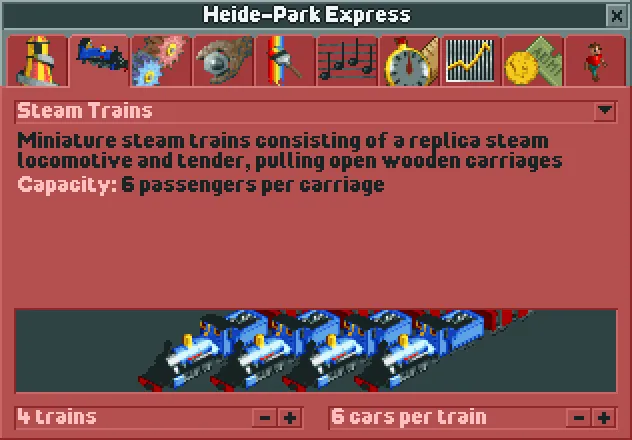
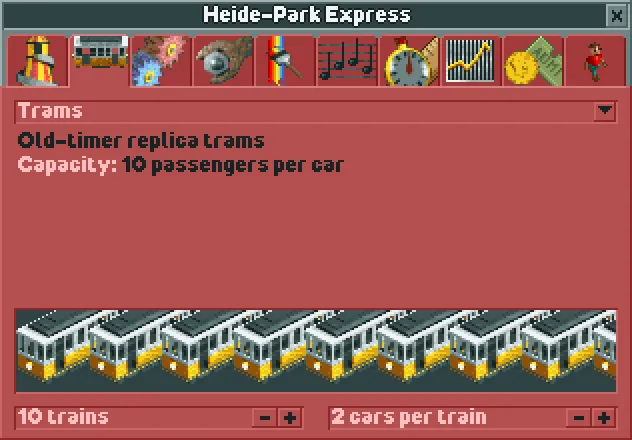
In vanilla RCT2, the Tram vehicles also have access to Shuttle Mode, but not the Trains. In OpenRCT2, the Trains have access to it as well. Down below is a table of all of the important information of the Miniature Railway vehicles.

Verdict
The Miniature Railway is not necessarily a bad ride, but compared to the Chairlift, Monorail, and Suspended Monorail, the ride is quite underwhelming and doesn't have much to offer for it. If you have access to either of those rides, there's very little reason to ever use the Miniature Railway over either of those rides other than costing marginally less money. Additionally, the iconic trains get outclassed by the tram vehicles in every aspect, leaving you with no reason to use half of the vehicles on a ride that you already have little incentive to build.
Like most rides in the game though, it can still be useful as a role-playing ride. A tiny railroad running through your park is very stereotypical theme park imagery, and adding a Miniature Railway to your park can help enforce that feeling.
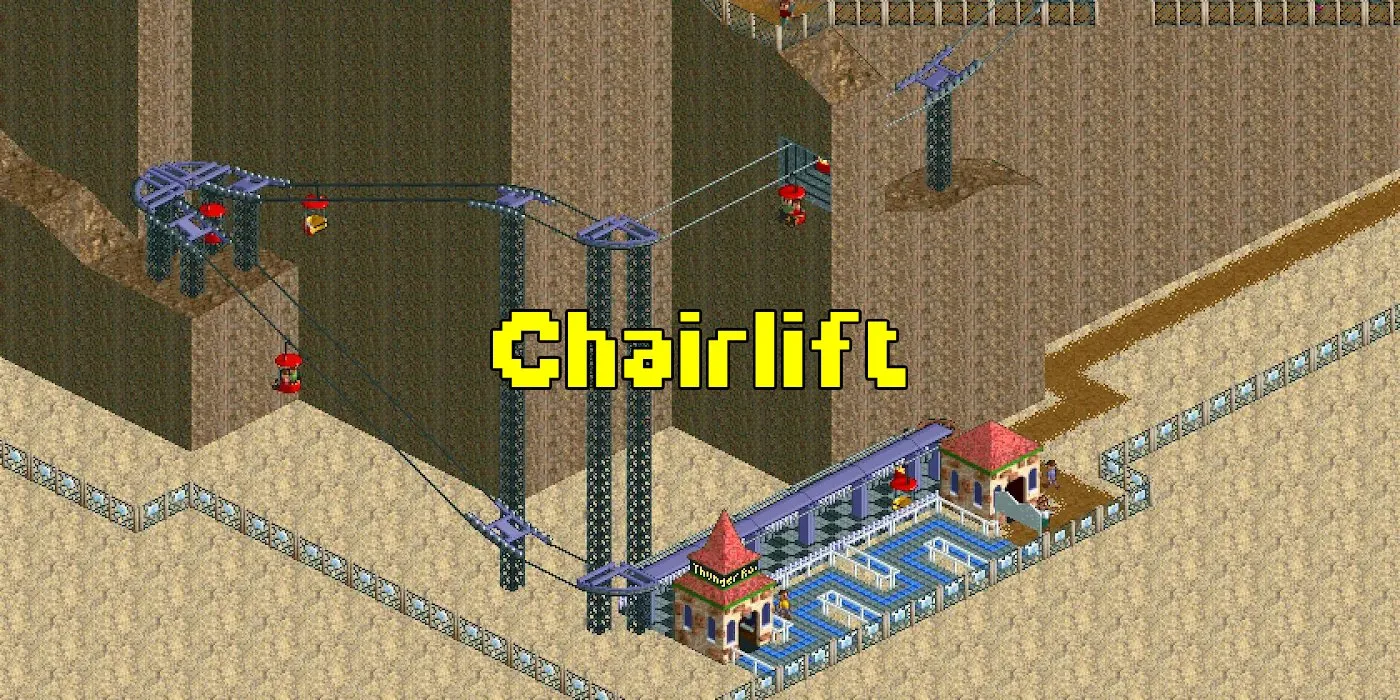
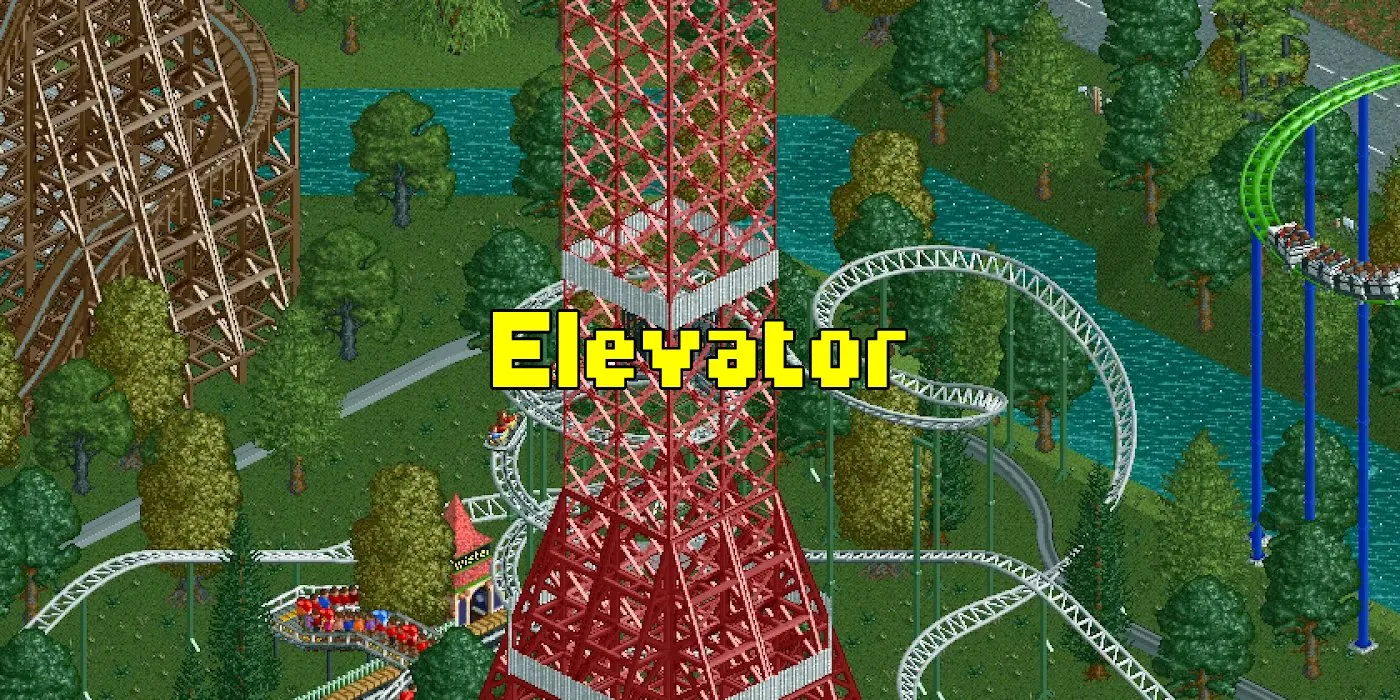
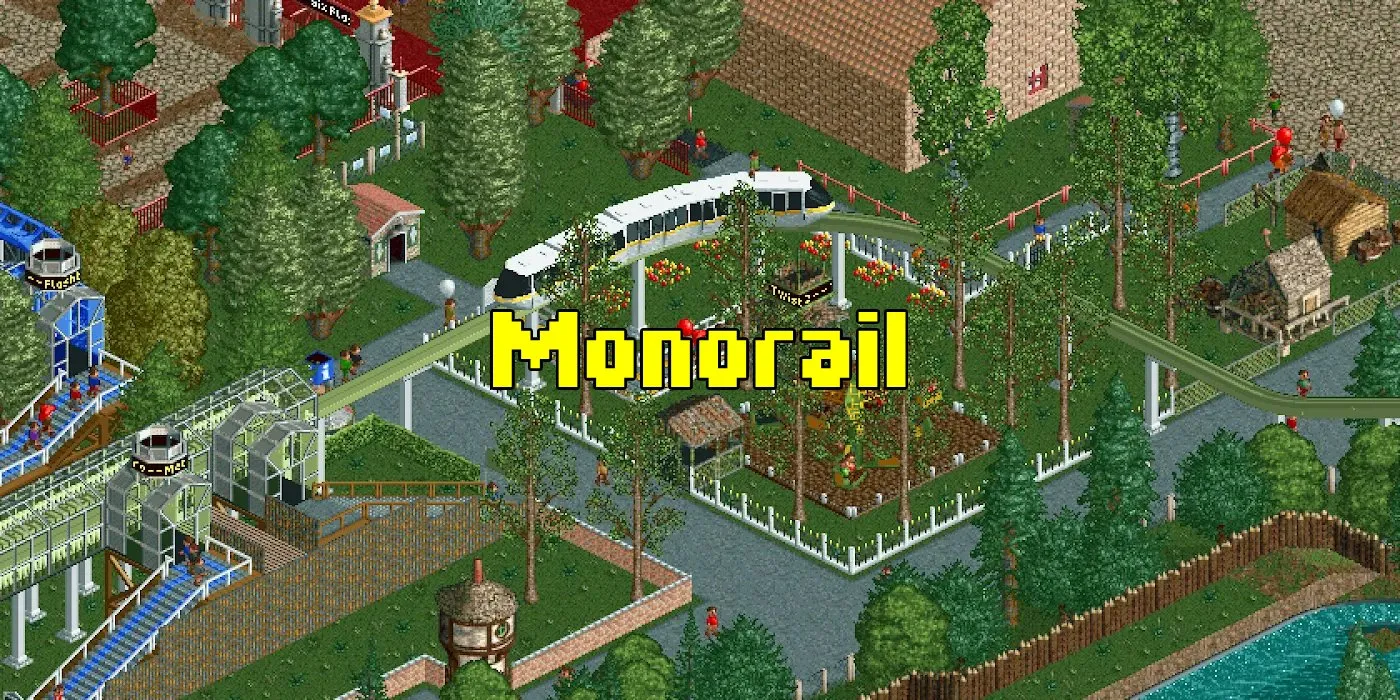
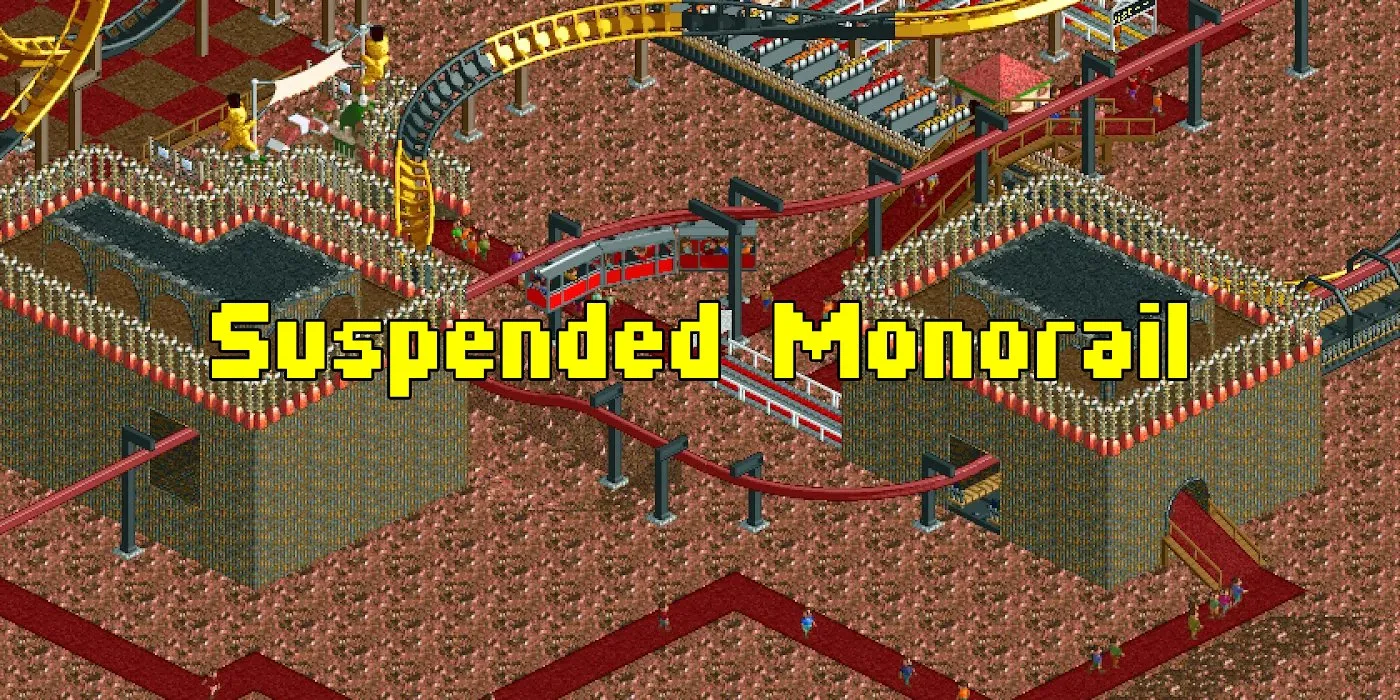
Other Transport Rides
About_Author

Demonxz95 is the main "fan creation guy" on Out of Games, specializing in showcasing fan-made content from the Hearthstone community, with the occasionally unrelated article on the side. His love for card games started with Yu-Gi-Oh when he was a child and has since seen a resurgence with Hearthstone and MTG.
He can be reached through a PM on the site or on our Discord server.
More_Transport Rides_Guides
Base Building Tips and Tricks in Palworld
A Guide to Harth Stonebrew's Iconic Hands
Latest_RollerCoaster Tycoon 2_Guides
Guide to Food and Drink Stalls in RollerCoaster Tycoon 1 and 2

Guide to Awards in RollerCoaster Tycoon 1 & 2
// join_the_conversation
Sign in to share your thoughts, vote on comments, and connect with the community.
Comments
// no_comments_found
Be the first to share your thoughts!
Leave a Comment