Paladin has some well-defined themes (i.e. buffs), but there are too few of them. Paladin has historically always been a swing class, meaning its power level from expansion to expansion varies greatly due to both its extremely shitty core sets, which means its class identity has always been all over the place.
For example, Silver Hand Recruit synergy is a theme that has been mostly underexploited except during the Odd Paladin era. It's strange that board-wide buffs is considered a Druid theme but not a Paladin one. It would fit better here.
Large heals, even though it's been a Paladin theme, have been weak and don't feel different enough from Priest ones.
I've tried to gather everything I coul that make Paladin class identity, however it's clear Paladin needs something more.
Finally, I've gotten rid of secrets in Paladin's core sets. Devs said in the past that they gave Paladin secrets because they wanted to give them to Rogue originally, but Rogue already had the Combo keyword and they thought Paladin was the next best thing. But Paladin's secrets have always felt out of place within the class and they were almost never viable (except for Avenge and during the TGT era with Mysterious Challenger). This doesn't prevent Paladin secrets to be re-introduced during rotations as it is the case for Rogue secrets right now.
- PRIMARY MECHANICS
- MINION BUFFS - Paladin is the king of buffs and has lots of spells to make even the smallest of minions threatening.
- ...AND MINION DEBUFFS - Paladin prefers to weaken enemy minions rather than eliminating them directly.
- MINION RESILIENCE - Thanks to Divine Shields and buffs, Paladin minions also stick on the board.
- SILVER HAND RECRUITS - Reporting for duty! Paladin has a special relations to his recruits and have several synergies with them.
- SECONDARY MECHANICS
- HANDBUFFS - Buffs also include handbuffs. Paladins have access to the most cost-effective handbuffs.
- HEALING - Not as prominent as in Priest but important nonetheless. Paladin focuses on big single-target heals rather than
- SET - Rather than removing minions, paladin weakens them.
- KEYWORD AFFINITIES - Divine Shield; Lifesteal; "Silver Hand Recruit"; "set X to Y".
- TRIBAL AFFINITIES - Murlocs; Dragons.


![Reign of the Black Empire Card Reveals - Final Day [Finished]](https://youre.outof.games/media/v2/uploads/db/ff/dbff882e62c5424e9e0d8c5ffa9b483b/hunter-reveal-black-empire-oog-news.webp)
![Reign of the Black Empire Card Reveals - Day 10 [Finished]](https://youre.outof.games/media/v2/uploads/b6/db/b6db812e1a8e42b59a48774abf858a79/hearthstone-reveal-thumbnail-template-rotbe.webp)



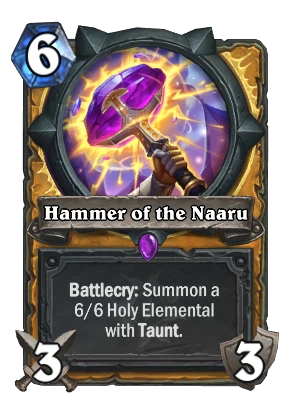
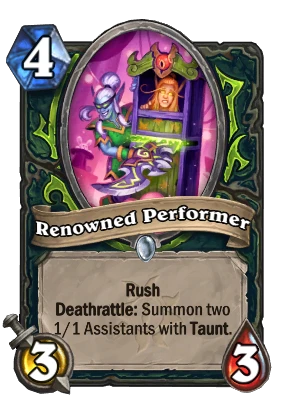
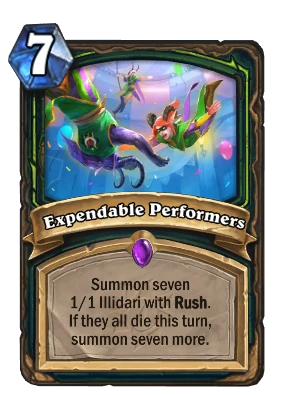
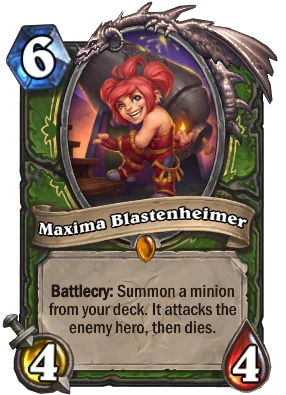













![(4) Multishot[3]](https://i.imgur.com/ys6Lyr8.png)


![(7) Bursting Shot[6]](https://hearthcards.ams3.digitaloceanspaces.com/60/ee/c3/6a/60eec36a.png)